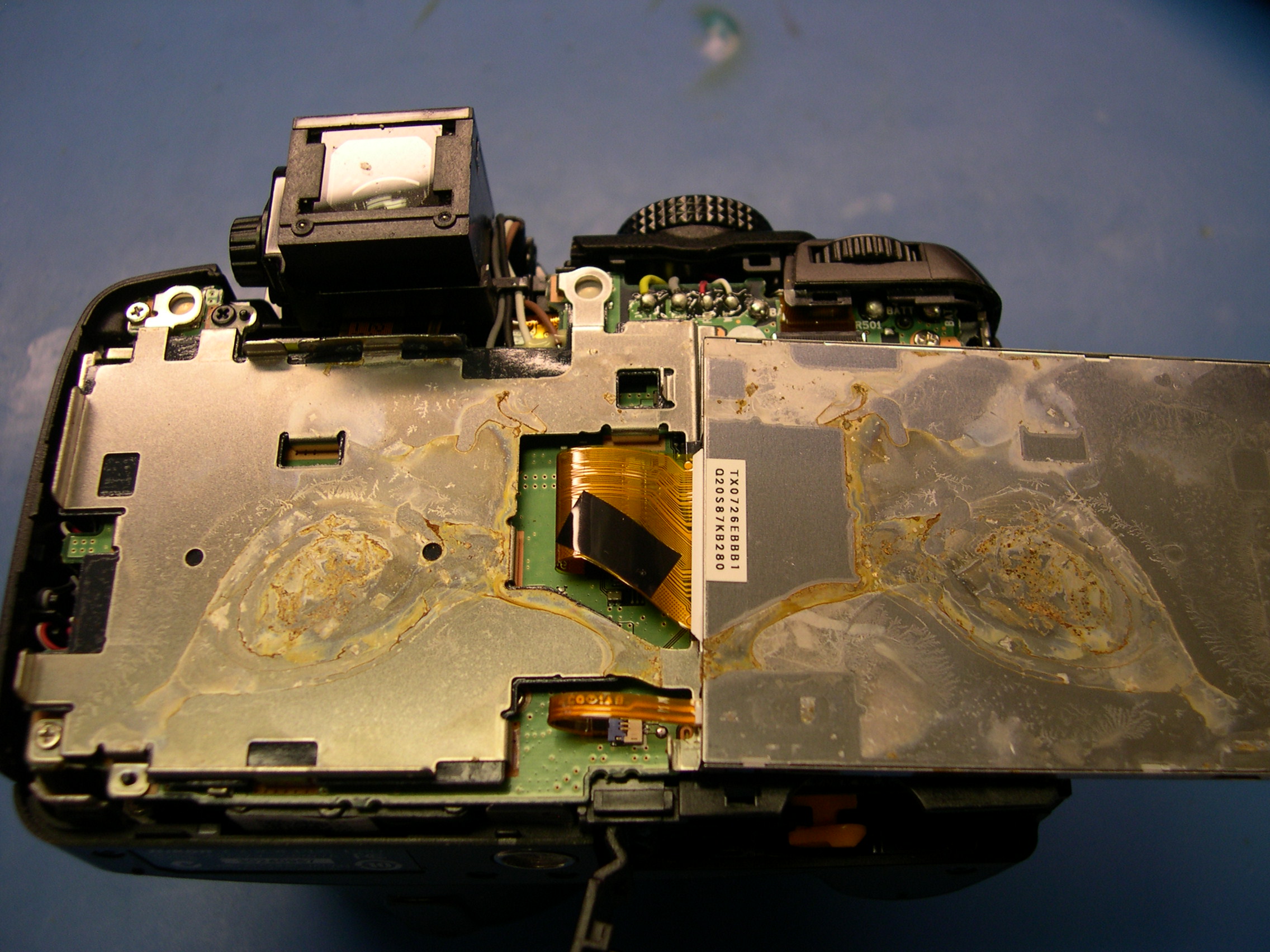
 Hopefully you never find yourself with a dripping wet camera. But if it does unfortunately happen, it is important to be prepared because you might be able save it from costly repair or replacement. This doesn’t just apply to dripping wet cameras either; getting splashed, dropping in the snow, finding yourself in 100% humidity are just some of the situations where your camera can become damaged by liquids. Don’t panic, here are some simple things to avoid and the tips and tricks you can use to give your camera a fighting chance.
1) Powering the camera on immediately to see if it works is the worst thing you can do. If the unit is already on, turn it off as soon as possible (if the camera has a “pop-out†lens remove all liquid and debris first). Take out the batteries and remove all the liquid and debris you can find.
2) Assuming everything is fine and continuing to shoot is another bad decision many make. What can happen is some of the liquid gets into the camera through one of the many seems. The camera will seem to be in perfect working order until that little drop finds its way on to a circuit board and “pop-fizz†you are out a camera. The best thing to do, once the camera is off and its batteries are out, is to store it in an open dry warm area so that any moisture will just evaporate. Another strategy that may work is placing the unit in a “zip lock†bag with a silica pouch or dry rice to soak up the moisture.
3) Do not throw it away because it isn’t working. Sometimes these guys just need time to dry out and they will start working. Give it a couple of days and try it again, what have you got to lose?
4) In the case of high humidity, turning on your camera and trying to shoot right away is strongly discouraged. The unit will immediately fill with air saturated with moisture and begin to condensate inside. Give it some time to acclimate. If you have the forethought, put the camera in a plastic “zip-lock†bag and keep it there until the camera “warms upâ€.
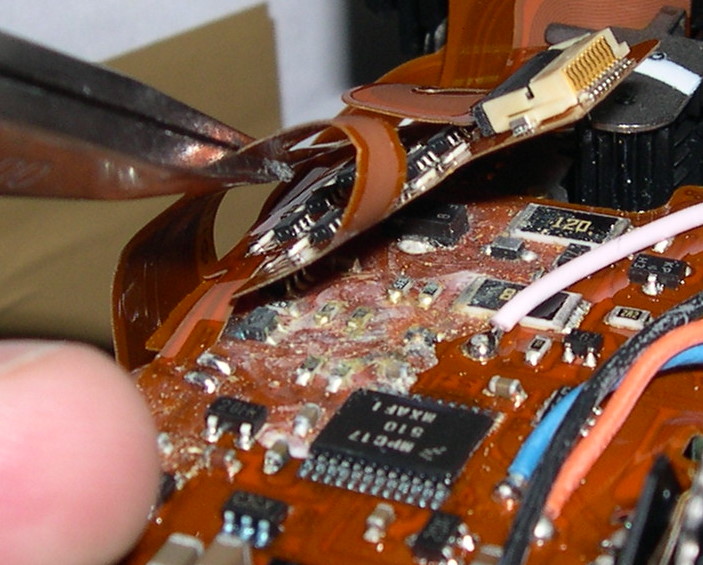
However, salt water is a camera killer and you are pretty much out of luck. Salt water is very corrosive and if it gets into the camera there is pretty much no chance of salvation. It is never recommend opening up cameras if you do not have the proper knowledge and experience. It is especially dangerous when you are dealing with water damage because you run a greater risk of getting shocked. If the camera got an especially bad exposure but you think it has the potential to still work take it to the professionals; they can clean it out and tell you if it is worth saving. Just remember, using your camera strap is the first line of defense against any damage.